DTC P0441: EVAP Purge Flow Monitor: Testing
- Turn ignition on, engine off. Using scan tool, check for DTCs. If GOOD TRIP counter is displayed for DTC P0441 and displayed count is "0", go to next step. If GOOD TRIP counter is not displayed for DTC P0441 or displayed count is not "0", go to step 8.
- EVAP canister is located under vehicle, inside left frame rail in front of fuel tank. Visually inspect EVAP canister for damage or signs that fuel has entered canister. Any sign of fuel in EVAP canister may indicate a defective rollover valve. Rollover valves are located on top of fuel tank. Rollover valve mounted permanently to top/rear of fuel tank is not serviceable. Rollover valve located on top of fuel pump module may be serviced separately. If top/rear rollover valve is defective, fuel tank must be replaced. Replace EVAP canister and/or fuel tank as necessary. If EVAP canister is okay, go to next step.
- Visually inspect EVAP purge hose between EVAP canister and fuel tank. Check for plugged, pinched, ripped or dry-rotted hose. Replace EVAP purge hose as necessary. If EVAP purge hose is okay, go to next step.
- Visually inspect EVAP purge hose between EVAP canister and EVAP purge solenoid. EVAP purge solenoid is located in engine compartment, left of brake booster. See Fig 1. Check for plugged, pinched, ripped or dry-rotted hose. Replace EVAP purge hose as necessary. If EVAP purge hose is okay, go to next step.
- Visually inspect vacuum hose between EVAP purge solenoid and throttle body. Check for plugged, pinched, ripped or dry-rotted hose. Replace vacuum hose as necessary. If vacuum hose is okay, check for plugged throttle body vacuum nipple. Repair vacuum nipple as necessary. If vacuum nipple is okay, go to next step.
- Disconnect EVAP purge solenoid vacuum hoses. Inspect vacuum connections and inspect vacuum lines and EVAP purge solenoid for contamination from EVAP canister. Repair as necessary. If vacuum connections, vacuum lines and EVAP purge solenoid is okay and free from contamination, use a vacuum pump and apply 10 in. Hg to EVAP purge solenoid vacuum source port. If vacuum holds, go to next step. If vacuum does not hold, replace EVAP canister purge solenoid.
- Using a vacuum pump, apply 10 in. Hg to EVAP purge solenoid vacuum source port. Turn ignition on, engine off. Using scan tool, actuate EVAP PURGE SOLENOID and observe vacuum gauge. If vacuum holds, replace EVAP purge solenoid. If vacuum releases, no problem is indicated at this time. Test is complete.
- At this time, conditions for DTC to set do not exist or fault is an intermittent problem. Using scan tool, review FREEZE FRAME DATA. Attempt to duplicate condition that caused DTC to set. Visually inspect related connectors and wiring harness for damage. Check for any related Technical Service Bulletins (TSBs) that may apply. Turn ignition on, engine off. Using scan tool, actuate EVAP purge solenoid. Wiggle EVAP purge solenoid wiring harness and listen for EVAP purge solenoid to quit actuating. Using scan tool, read DTCs. If GOOD TRIP counter is displayed and displayed count changes to "0", or EVAP purge solenoid quits actuating, repair wiring where wiggling caused EVAP purge solenoid to quit actuating. If EVAP purge solenoid does not stop actuating and GOOD TRIP counter is not displayed or displayed count does not change to "0", no problem is indicated at this time. Test is complete.
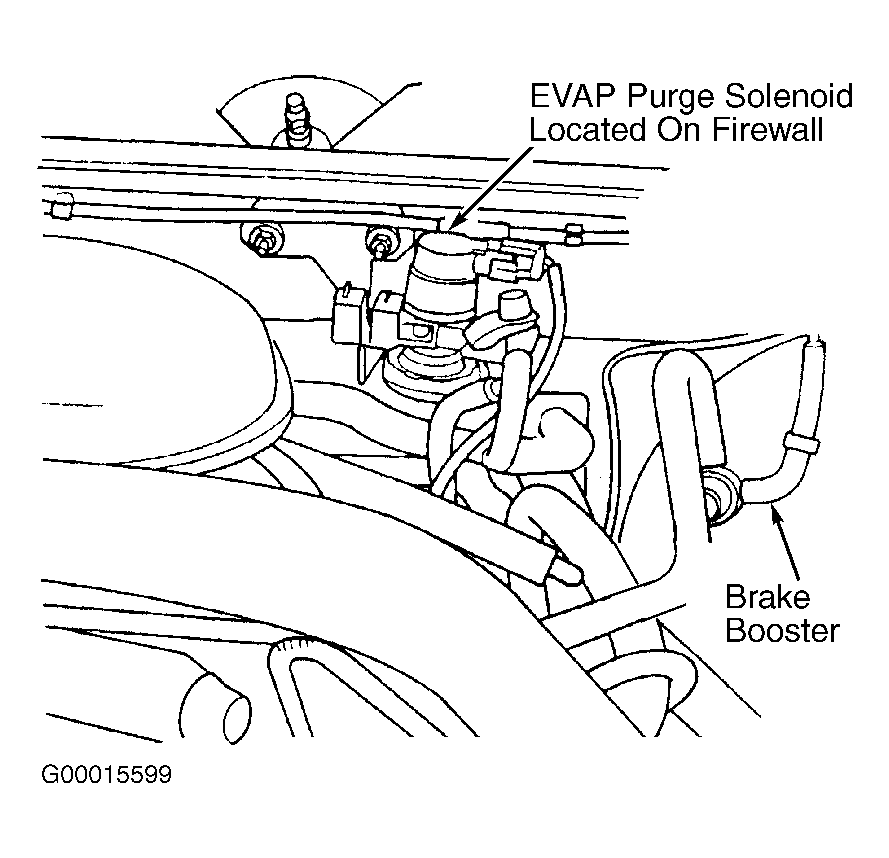 Courtesy of DAIMLERCHRYSLER CORPORATION