Fuel Tank Pressure Control Valve Diagnosis
- Connect a length of hose to fuel tank pressure control valve vacuum port marked TANK. See Fig 1
. Blow hard into hose. Air should slowly escape through fuel tank pressure control valve vacuum port marked CAN. Go to next step.
- Remove hose from TANK port and connect to CAN port. See Fig 1
. Blow easily into hose. Air should escape through fuel tank pressure control valve vacuum port marked TANK. Go to next step.
- Connect a hand-held vacuum pump to fuel tank pressure control valve vacuum port and apply vacuum. See Fig 1
. With vacuum applied, blow into port marked TANK. Air should slowly escape through fuel tank pressure control valve vacuum port marked CAN. If operation is not as specified, replace fuel tank pressure control valve.
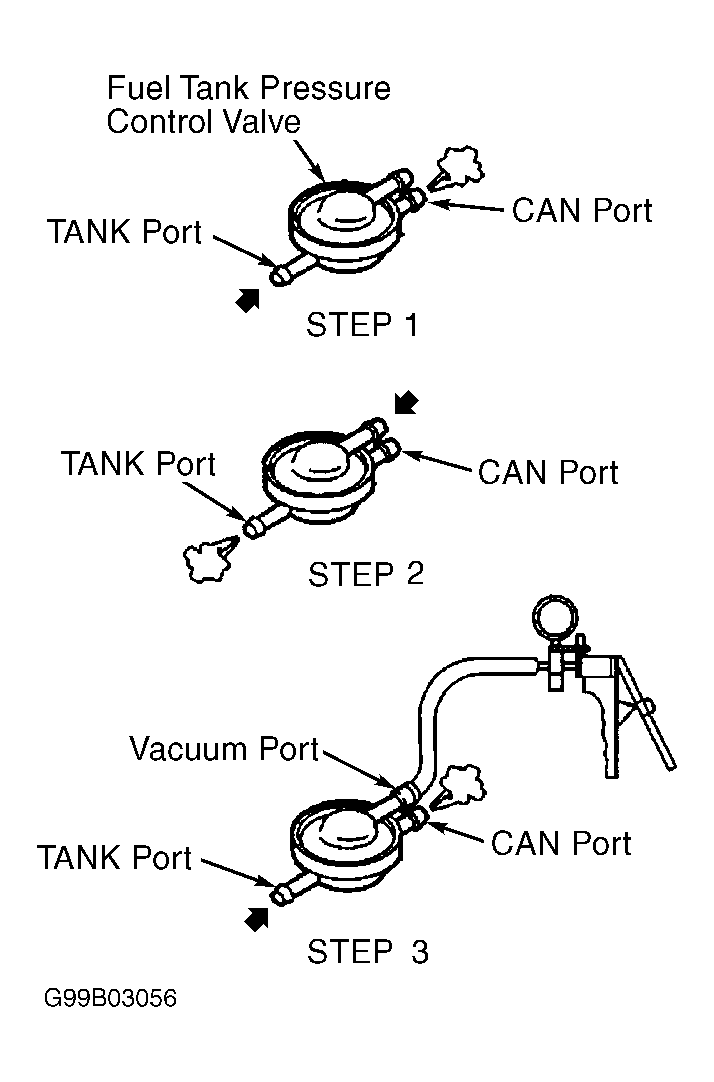 Courtesy of GENERAL MOTORS CORP.